


Replacing old or damaged siding is a major investment in your home’s appearance, energy efficiency, and durability. Siding replacement costs vary widely based on material, home size, style, and labor.
In Bethesda and surrounding areas, homeowners often ask what they should expect to pay and how to plan for a successful exterior upgrade. As a trusted exterior remodeling contractor and one of the experienced home builders in Bethesda, Kader Construction breaks down costs by material and home square footage.
We also cover hidden expenses, long-term value, and how to plan an exterior home remodeling project that stays on budget.
Key Takeaways
- Siding replacement costs vary widely depending on material choice, home size, labor, and removal of old siding.
- Vinyl siding remains the most cost-effective option, while fiber cement offers the best balance of durability and aesthetics.
- Premium materials like brick and stone veneer have higher upfront costs but long lifespans and minimal maintenance.
- Labor accounts for 40–60% of total siding replacement costs, especially in areas like Bethesda.
- Hidden expenses such as sheathing repair, moisture damage, or insulation upgrades should be budgeted in advance.
- Hiring a professional exterior remodeling contractor ensures proper installation, weatherproofing, and code compliance.
- Working with experienced home builders in Bethesda can help maximize curb appeal and long-term property value.
- Proper planning is essential to plan an exterior home remodeling project that stays on budget and avoids delays.
- New siding significantly improves energy efficiency, home protection, and resale value.
- Investing in quality materials and skilled installation reduces maintenance costs over time.
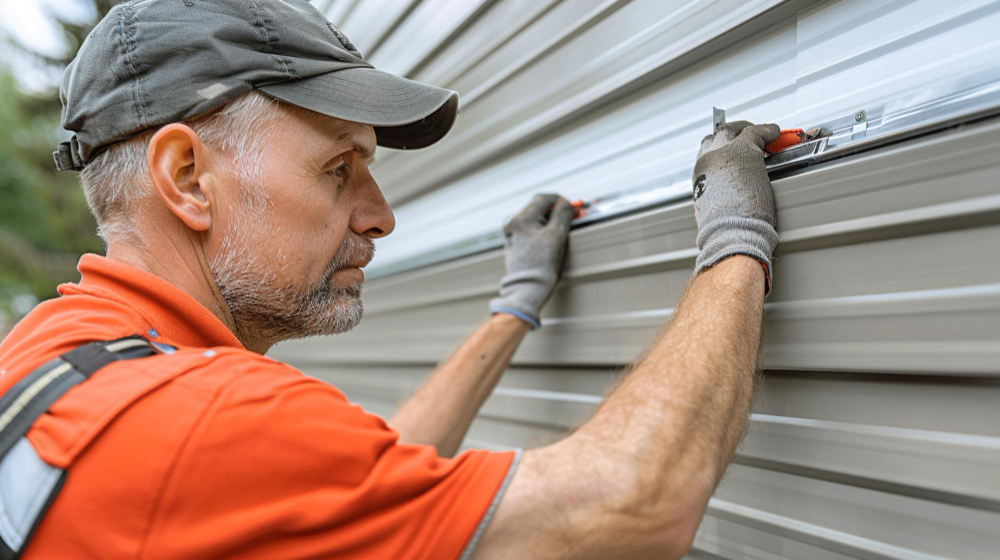
All You Need to Know About Siding Replacement
Why Does Siding Replacement Matter?
Siding protects your home from weather, improves insulation, and enhances curb appeal. Old or failing siding can lead to water damage, mold growth, and energy loss. New siding stabilizes your home’s structure and can raise resale value. Choosing the right material and planning the project carefully helps control costs while capturing the most benefits.
What Influences Siding Replacement Cost?
Several factors affect total price:
- Material type
- Home size and shape
- Removal of old siding
- Labor rates
- Local market conditions
- Additional features (trim, insulation, windows)
- Access and scaffolding needs
Each of these plays a role in your final investment.
Common Siding Materials and Cost per Square Foot
Different materials have very different price points. The table below shows typical cost ranges (materials & installation):
| Material | Average Cost per sq. ft. | Durability | Notes |
| Vinyl Siding | $5 – $10 | 20–40 years | Most budget-friendly |
| Fiber Cement | $8 – $14 | 30–50+ years | Better impact resistance |
| Wood Siding | $10 – $20 | 30–60 years | Natural look, high upkeep |
| Engineered Wood | $9 – $13 | 25–40 years | Balanced cost & durability |
| Brick Veneer | $15 – $25 | 50+ years | Premium look & longevity |
| Aluminum | $8 – $15 | 30–50 years | Lightweight & recyclable |
| Stone Veneer | $17 – $30 | 50+ years | High-end finish |
Material costs vary with brand quality, thickness, texture, and region. Local availability also matters.
How Home Size Affects Total Siding Cost?
Most contractors calculate pricing by square footage of siding surface (not total home floor area). A larger home simply means more material and labor.
| Home Size | Approx. Siding Area | Estimated Total Cost (Vinyl) | Estimated Total Cost (Fiber Cement) |
| Small (1,000 sq. ft.) | 1,000–1,300 sq. ft. | $5,000 – $13,000 | $8,000 – $18,200 |
| Medium (1,500 sq. ft.) | 1,500–2,000 sq. ft. | $7,500 – $20,000 | $12,000 – $28,000 |
| Large (2,000 sq. ft.) | 2,000–2,600 sq. ft. | $10,000 – $26,000 | $16,000 – $36,400 |
| XL (3,000 sq. ft.) | 3,000–3,900 sq. ft. | $15,000 – $39,000 | $24,000 – $54,600 |
These are typical ranges and can shift with inflation, material costs, and labor rates.
Vinyl Siding: The Most Budget-Friendly Option
Vinyl remains the most popular choice due to its low cost, low maintenance, and wide color/style range.
Pros:
- Low cost
- Many colors and textures
- Easy to clean
- Good fade resistance
Cons:
- Less durable than fiber cement or brick
- Can crack or warp in extreme cold
- Less premium look
For homeowners trying to balance beauty and budget, vinyl often wins.
Fiber Cement: Durable and Attractive
Fiber cement combines cement, sand, and cellulose fibers. It mimics wood, stucco, or stone looks.
Pros:
- Excellent fire and impact resistance
- Long lifespan
- Resists pests
Cons:
- Higher cost
- Requires skilled installation
- Heavy material
It is a great choice for long-term value, especially in climates with harsh seasons.
Wood Siding: Classic Beauty with Higher Upkeep
Wood delivers timeless aesthetics but requires maintenance like painting and sealing.
Pros:
- Natural, rich look
- Customizable finishes
- Upgradable over time
Cons:
- High maintenance
- Moisture and pest risk
- Higher material & labor cost
Wood works well for traditional or historic homes, but owners must commit to upkeep.
Engineered Wood: Mid-Range Performance
Engineered wood uses wood fibers and resin to resist moisture and pests better than natural wood.
Pros:
- Cheaper than full wood
- Better moisture resistance
- Good aesthetic
Cons:
- Not as durable as fiber cement
- Still requires periodic painting or sealing
It’s a balanced choice for style and price.
Brick & Stone Veneer: Premium Exterior Options
These materials cost more but offer long life and premium curb appeal.
Brick Pros:
- Lasts generations
- Little maintenance
- Classic look
Stone Veneer Pros:
- High-end finishes
- Works with many architectural styles
Cons:
- Highest cost
- Heavy and labor-intensive installation
These options suit luxury homes or projects where resale value matters.
Labor Costs and Regional Price Differences
Labor often accounts for 40–60% of total siding cost. In areas with high demand or higher wages, costs rise. Being in Bethesda or the DC metro area typically means higher labor rates than rural areas.
Many homeowners ask about removal of old siding. Expect $1–$3 per square foot extra for removal and disposal.
Hidden Costs to Consider
Replacing siding often uncovers other issues:
- Damaged sheathing
- Rot behind old siding
- Insect damage
- Mold or water damage
These issues require repairs that add to total cost. Always budget a contingency of 10–20% of siding cost.
Insulation and Energy Savings
Upgrading to insulated siding adds cost but improves energy efficiency.
Benefits of Insulated Siding:
- Lower heating/cooling bills
- Better sound insulation
- Increased home comfort
Insulated siding often pays back over time through reduced energy costs.
Exterior Remodeling Contractor vs DIY
Many homeowners consider DIY to save money, but siding replacement requires skill and safety.
A professional exterior remodeling contractor offers:
- Accurate measurement and planning
- Safe installation at height
- Proper sealing and flashing
- Code-compliant work
- Warranty and quality assurance
DIY can seem tempting, but improper installation can lead to water damage and early failure.
How to Budget Your Project?
When you plan an exterior home remodeling project, consider:
- Material choice
- Home size
- Labor cost
- Removal of old siding
- Permit fees
- Contingency budget
These factors help you avoid surprises.
Siding Life Expectancy and Long-Term Value
| Material | Expected Lifespan | Maintenance Level |
| Vinyl | 20–40 years | Low |
| Fiber Cement | 30–50+ years | Low-Medium |
| Wood | 30–60 years | Medium-High |
| Engineered Wood | 25–40 years | Medium |
| Brick | 50+ years | Very Low |
| Stone Veneer | 50+ years | Very Low |
Understanding longevity helps you decide where to invest more up front.
Common Mistakes to Avoid
- Choosing cheapest material without considering lifespan
- Ignoring proper wall prep
- Skipping insulation upgrades
- Hiring unlicensed installers
- Not accounting for weatherproofing details
- Forgetting trim, corners, and window flashing
Proper planning reduces long-term costs.
How Does Siding Affect Home Value?
New siding boosts curb appeal and improves resale value. Many buyers value homes with updated exteriors because they imply less future maintenance.
Updated siding increases:
- Exterior appeal
- Energy efficiency
- Waterproofing
- Buyer confidence
Most siding projects return a high percentage of cost at resale.
When to Replace Your Siding?
Signs your siding needs replacement:
- Peeling paint or cracking boards
- Warping or buckling panels
- Water stains on interior walls
- Soft spots or rot
- Frequent insect damage
- High heating/cooling bills
If you see these signs, contact a professional early to avoid bigger repairs.
How to Choose the Right Contractor?
Choosing a qualified home builder in Bethesda or a nearby professional makes a big difference.
Look for:
- Licensed and insured contractors
- Good reviews and gallery photos
- Clear written estimates
- Warranty offerings
- Local references
A good contractor helps you choose the right material and schedule installation at the best time.
DIY vs Professional: Which Is Best?
| Factor | DIY | Professional |
| Cost | Lower | Higher up front |
| Skill Required | High | Expert |
| Time | Long | Faster |
| Quality Assurance | Lower | Higher |
| Warranty | None | Yes |
| Risk of Water Damage | High | Low |
For most homeowners, professional installation is worth the investment.
Seasonal Timing and Cost Fluctuations
Siding work in peak seasons (spring/summer) often costs more due to high demand. Scheduling in fall or winter may save money, though cold weather can affect some materials.
Talk to your contractor about timing and any seasonal discounts.
Frequently Asked Questions
How much does siding replacement cost on average?
On average, siding replacement costs range from $7,500 to $25,000, depending on material type, home size, labor, and regional pricing. Larger homes and premium materials can push costs higher.
What is the cheapest siding material?
Vinyl siding is typically the most affordable option, costing $5–$10 per square foot installed, making it popular for homeowners on a budget.
Which siding material lasts the longest?
Brick and stone veneer have the longest lifespan, often exceeding 50 years with minimal maintenance. Fiber cement also offers excellent long-term durability.
Does siding replacement increase home value?
Yes. New siding can significantly improve curb appeal, energy efficiency, and buyer confidence, often delivering a high return on investment at resale.
How long does siding replacement take?
Most siding replacement projects take 1–3 weeks, depending on home size, weather conditions, material choice, and complexity of the installation.
Is it necessary to remove old siding before installing new siding?
In most cases, yes. Removing old siding allows contractors to inspect for damage, repair underlying issues, and ensure proper installation.
Can siding replacement improve energy efficiency?
Absolutely. Insulated siding and proper wall sealing reduce air leaks, helping lower heating and cooling costs year-round.
Is siding replacement a DIY project?
While possible, siding replacement requires technical skill, safety equipment, and experience. Hiring a licensed exterior remodeling contractor minimizes risks and ensures long-lasting results.
What is the best siding option for homes in Bethesda?
Fiber cement and vinyl siding are popular choices among home builders in Bethesda due to their durability, weather resistance, and design flexibility.
How do I know when it’s time to replace my siding?
Signs include cracking, warping, peeling paint, moisture damage, rising energy bills, or visible rot. A professional inspection can confirm whether replacement is needed.
Conclusion
When you plan siding work, understanding cost differences by material and home size helps you make smart choices. Siding replacement costs vary based on materials, labor, home shape, and local trends.
Vinyl offers budget value, fiber cement offers durability, and premium options like brick or stone bring long-lasting appeal. Proper planning saves money and prevents future problems. Work with experienced exterior remodeling contractor teams, including trusted home builders in Bethesda, to get accurate estimates, quality installation, and lasting results.
With smart planning and the right partners, you can achieve an exterior that looks great and adds long-term value to your home.